Inside Safaricom's New M-PESA Scan-to-Pay, Tap-to-Pay and AI Pay
Safaricom has introduced three new M-PESA payment features in partnership with Pesapal: Scan-to-Pay using merchant QR codes, Tap-to-Pay via NFC-enabled smartphones on Pesapal terminals, and AI Pay, which scans printed or handwritten receipts on My OneApp to auto-populate payment details. Safaricom aims to expand Scan-to-Pay from over 60,000 outlets to 500,000 within a year.

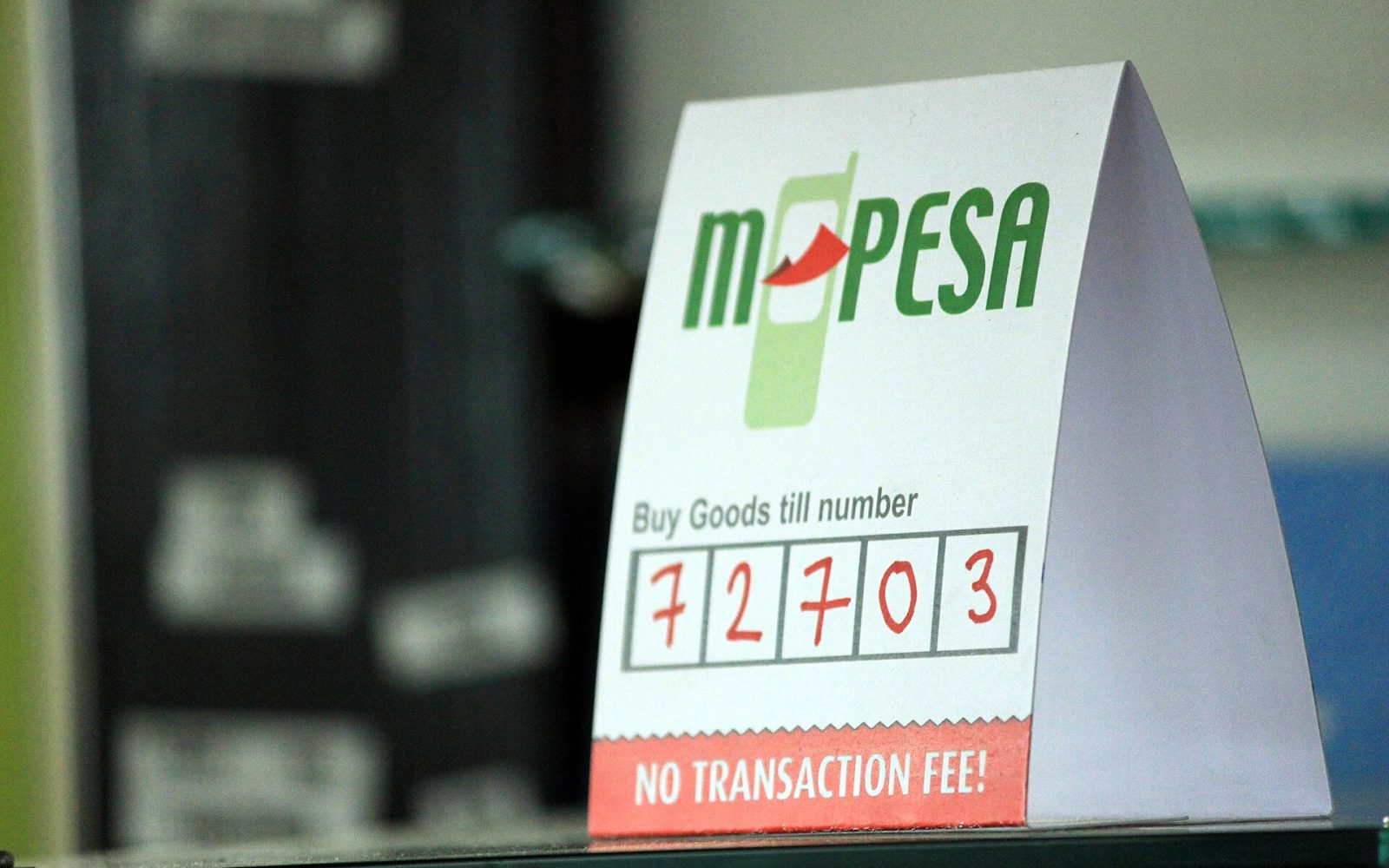
Representative image. Photo: Raidarmax / Wikimedia Commons, CC BY-SA 3.0, cropped
Safaricom is expanding how customers use M-PESA at the point of sale, introducing QR-code payments, contactless smartphone transactions and an artificial intelligence-powered feature designed to reduce the manual entry of payment details. The development introduces three new ways to handle transactions: Scan-to-Pay, Tap-to-Pay and AI Pay, created through a partnership with Pesapal.
M-PESA generated more than KES182.7 billion in revenue in the financial year ended March 2026, underlining the platform's central role in the company's business. These updates build on that ecosystem by addressing a frequent friction point in physical commerce: the manual typing of till numbers, paybill accounts and transaction amounts.
What Happened
Safaricom and Pesapal announced a partnership to roll out physical point-of-sale capabilities that bring new transaction flows to merchant locations. The collaboration integrates Safaricom’s mobile money network with Pesapal's merchant infrastructure, which operates across Kenya, Tanzania, Uganda, Rwanda and Zambia. According to Safaricom Group Chief Technology Officer James Maitai, the partnership moves beyond standard payments to reimagine checkout interactions, while Pesapal founder Agosta Liko noted the integration aims to deliver faster transactions.
What Is Confirmed and What Is Not Yet Known
The announcement details specific technical mechanisms and targets, while leaving other rollout timelines unstated:
- Scan-to-Pay: Customers scan a QR code linked to a merchant's M-PESA Till Number. Dynamic Scan-to-Pay via Pesapal POS devices automatically populates merchant details and the transaction amount for customer verification.
- Tap-to-Pay: Customers with NFC-enabled smartphones tap their devices on supported Pesapal POS terminals to verify and complete payments.
- AI Pay: Available on My OneApp, which has over seven million downloads, this feature scans printed or handwritten receipts to auto-populate Till or PayBill details and amounts.
- Rollout Targets: Safaricom states that Scan-to-Pay is active at more than 60,000 merchant outlets, with an ambition to expand to 500,000 outlets within the next year.
What remains unconfirmed are the detailed deployment schedules for each region, precise menu navigation steps within mobile apps, exact device activation settings for NFC phones, and the specific mechanisms for correcting misread data under AI Pay.
Why It Matters
Traditional mobile money checkouts often require manual input of numeric codes and confirmation prompts, which can slow down queues in busy retail environments. By introducing QR codes, NFC contactless tapping, and receipt recognition, the system cuts down the number of steps required to finish a sale. For digital businesses expanding into physical retail or omnichannel setups, streamlining the checkout layer helps reduce cart abandonment at the physical counter much like a well-optimised M-PESA integration for websites and systems in Kenya helps online stores.
What It Means for Kenyan Businesses
For Kenyan retailers, service providers, and business owners operating physical storefronts, the update places merchant adoption at the forefront. Customers can only use QR and contactless features if the business provides compatible hardware or display codes. Merchants using Pesapal POS equipment gain direct access to Dynamic Scan-to-Pay and Tap-to-Pay workflows. Business owners should review their current point-of-sale infrastructure to see whether their hardware supports these new capabilities.
Practical Next Steps
Businesses looking to prepare for these checkout updates should evaluate their current payment hardware and software setups. Companies running e-commerce shops alongside physical branches can also explore automated M-PESA Daraja API integration and payment automation in Kenya to ensure online and offline transaction records reconcile smoothly. Checking terminal compatibility with Pesapal and monitoring Safaricom's merchant onboarding updates will clarify when these dynamic features become available at specific locations.
Frequently Asked Questions
What is the difference between Scan-to-Pay and AI Pay?
Scan-to-Pay relies on scanning a physical or Pesapal POS-displayed QR code linked to a merchant's Till Number. AI Pay operates inside My OneApp by scanning printed or handwritten receipts to automatically identify and extract Till or PayBill numbers and payment amounts.
Do customers need a special phone for Tap-to-Pay?
Yes. The release specifies that customers require an NFC-enabled smartphone to tap against a supported Pesapal POS terminal.
Sources
- Safaricom’s New M-PESA Scan-to-Pay, Tap-to-Pay and AI Pay: TechMoran, TechMoran, 23 Oct 2026
Written by the Nimus Newsroom with AI assistance from the sources above, and checked against them before publishing. Spotted an error? Tell us through the contact page and we will correct it.
Want This Built For Your Business?
This is exactly the kind of thing we build. Book a free call and I'll tell you where to start.