Google opens Connected Apps preview for AI Mode and Gemini: what Kenyan firms should know
Google has opened a preview of its Connected Apps Platform. Developers can apply, and apps Google approves can run inside AI Mode in Search and the Gemini app. Live Search apps are currently US and English only. Whether Kenyan developers can apply has not been confirmed.

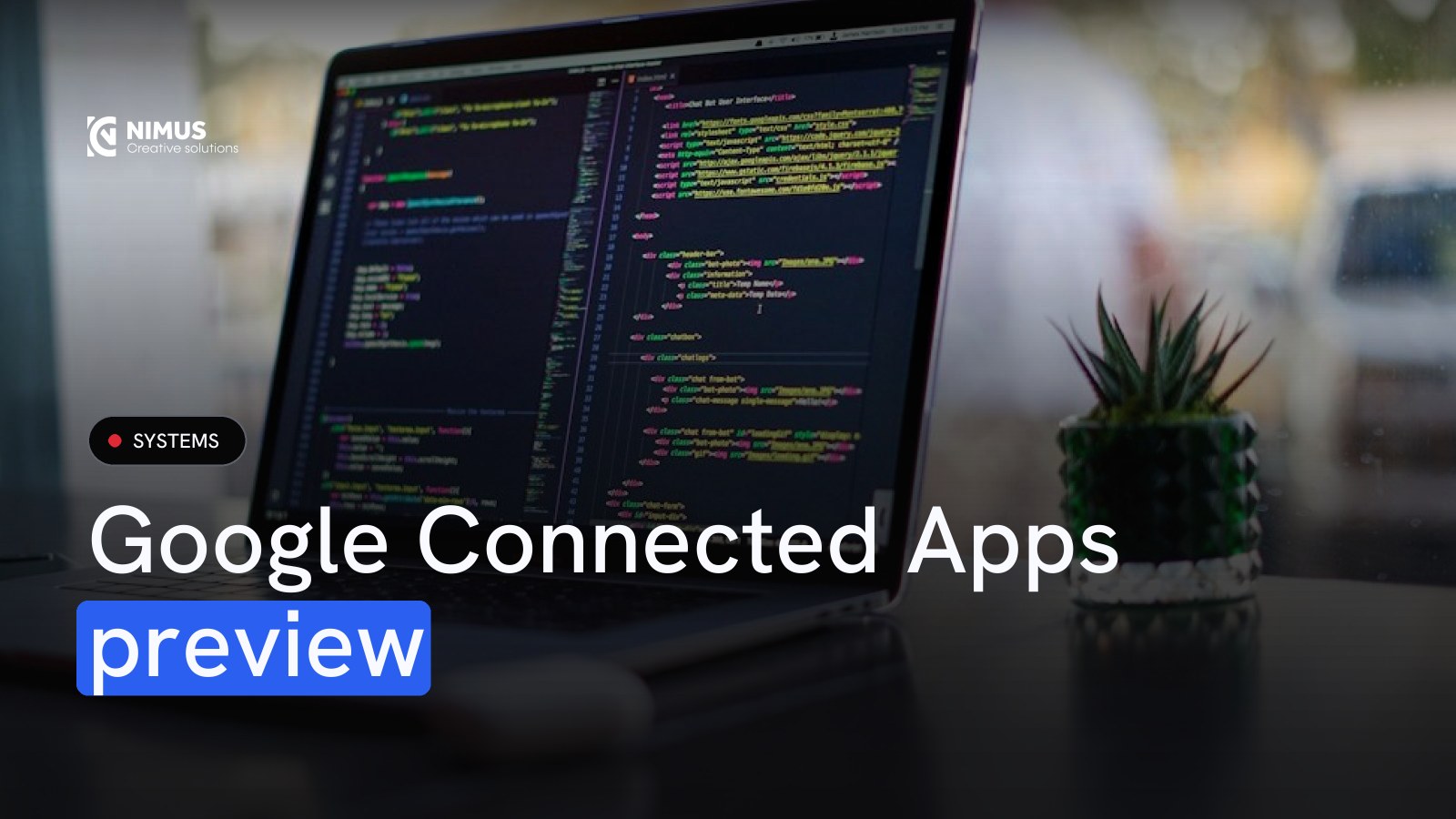
Representative image. Photo: James Harrison / Unsplash
Google has opened a preview of its Connected Apps Platform, which lets apps it approves run inside AI Mode in Search and in the Gemini app. Google announced the platform on Oct. 28, and its VP of Product for Search, Robby Stein, said on X on Thursday that the public preview had opened. For most Kenyan businesses this is not an action item today, but it shows how AI search may start passing tasks to outside software, as Search Engine Journal reported.
- This is a developer preview: developers apply, and Google reviews and tests each app before it can be published.
- The live Search apps run in the United States and in English only, so Kenyan availability is not confirmed.
- Most Kenyan SMEs cannot list an app and have no direct action here; the audience is software builders and the firms that hire them.
- Google's own Search Advocate John Mueller called it “still extremely early”, so plan calmly rather than rush.
What happened
Google has opened applications for developers who want their apps to work inside AI Mode and Gemini. Instead of a person leaving Google to open a separate app, AI Mode can hand part of a task to an approved app.
Developers connect through a remote MCP server (Model Context Protocol, an open standard AI models use to talk to external tools) or through AppFunctions, which Google calls Android MCP. Google says the MCP route reaches Gemini and Search users on web, Android and iOS, while the Android MCP route reaches Gemini users on Android only.
Registration happens in the Google Connected Console. Developers choose a category for each app, which sets minimum capabilities and cannot be changed afterwards, and they must name at least three capabilities that users see when deciding whether to connect the app. They also say where the app should be available by country, language and Google product.
What is confirmed and what is not yet known
Confirmed
- The platform was announced on Oct. 28 and the public preview is open for applications.
- Google reviews and tests each app before publication. If an app needs sign-in, developers must supply test accounts with sample data, and an app Google cannot fully test may be rejected.
- Live Search apps listed on Google's help page are Instacart, Canva, YouTube Music, Yahoo Fantasy Football and Sleeper Fantasy Football, in US English.
- Google says it has launched over 50 connected apps across Search and Gemini, and that live apps get reports on traffic, latency and error rates.
- Apps from partners already on Gemini, including Adobe, Experian, Localiza and Peloton, are due on Search in the coming weeks, plus a new Calm integration for Search and Gemini.
- Google says more developers, markets and products will be added over the next few months.
Not yet known
- Whether developers based in Kenya can apply, and when Kenyan users could see connected apps.
- Whether categories exist for services such as bookings, quotes or payments. The sources do not say.
- Any pricing or commercial terms. None were given.
- How much traffic or business connected apps will actually bring.
How Google says apps get chosen
Google's policy bars apps from referencing other tools or setting rules for when other tools should be used. It also forbids deceiving or influencing the model, for example through overly broad or deceptive capability descriptions, to be picked over another app. Penalties include rejection, suspension, removal and account termination.
Google's MCP guide says models rely on a server's instructions to decide when to hand over a task, and recommends clear instructions so requests route accurately. On the user side, AI Mode may default to the last app someone used for a task, users can name a different app, or they can search generally and pick from a list.
Why it matters for custom systems
This is a signal about direction, not a ready-made channel. AI search is moving from listing links towards completing tasks through connected software. For a business that builds or buys software, that raises the value of systems with clean, well-defined functions that another program can call.
The Google documents describe what an app must do to be listed: defined capabilities, stable behaviour, and something Google can test. That is a useful checklist for anyone commissioning a custom system, whether or not they ever apply.
What this means for Kenyan businesses
Be clear about who this touches. Most Kenyan SMEs cannot list an app, and nothing in the sources says Kenya is in scope yet. A shop, clinic or restaurant with a website and a WhatsApp number has no direct action from this news.
| Group | Effect now | Sensible response |
|---|---|---|
| Ordinary SMEs | None directly; no confirmed Kenyan access | Keep websites and business information clear and accurate |
| Firms with their own software or platform | May consider applying later, subject to market availability | Watch for Kenya being added; review how well your functions are defined |
| Developers and agencies | Can read the documentation and apply | Check whether Kenya-based applicants are accepted before investing |
Our analysis
This section is opinion, drawn from the sourced facts and general professional practice, not tested results.
First, do not treat this as a reason to build anything today. With live apps limited to US English and Kenya not mentioned, a rushed build risks wasted money. Second, the rule against overly broad descriptions suggests that honest, specific descriptions of what a tool does are the safer approach. We would expect that to matter, but no source shows that narrow descriptions improve routing, so treat that as a judgement.
Third, the more durable lesson is about data. Whether or not apps arrive in Kenya, AI search reads structured, consistent information. Clear service pages, accurate prices where you can publish them, consistent business details and sensible structured data help classic search and AI answers alike. That is general good practice, not something Google says this platform requires.
The common mistake we would expect is assuming an app is needed to be visible in AI search. Nothing here says so. Connected apps are one route for software; ordinary websites remain how most businesses are found. Our guide to ranking in AI Overviews in Kenya covers that side.
Practical next steps this month
- Decide whether you are a developer or an ordinary business. If ordinary, no application is possible or required, so move to step 3.
- If you own software, read Google's developer documentation and prerequisites, and check whether applicants from Kenya are accepted before committing budget.
- Audit your website's service and product pages: clear names, descriptions, prices where suitable, locations and contact details, consistent across your site and Google Business Profile.
- List the tasks your customers repeat (quotes, bookings, order status, payments) and note which are handled in a system and which live in chats or spreadsheets. This is useful regardless of Google.
- Set a calendar reminder to recheck Google's announcements in a few months, when it says more markets will be added.
If step 4 shows that your processes live in scattered chats, the custom systems work we offer, such as client portals, a CRM built on your sales stages and automated WhatsApp, SMS and email workflows, brings that information into one place. It is worth doing for your own efficiency, and none of it is required to join Google's platform. See Nimus custom business systems; this is our own service, and it also suits businesses that want AI search optimisation alongside it.
Frequently Asked Questions
Can Kenyan businesses put an app in Google AI Mode now?
That has not been confirmed. The sources say live Search apps are in the US and in English, and that more developers and markets will be added in the next few months.
Do I need an MCP server for my business website?
Only if you are a developer who wants to apply for the platform. Ordinary websites are not asked to do this in the sources.
Is the platform finished?
No. It is a preview with phased access, and Google's John Mueller described it as “still extremely early” while noting he does not work on the product.
Sources
- Google Opens Connected Apps Preview For AI Mode & Gemini, Search Engine Journal, 31 Oct 2026
Written by the Nimus Newsroom with AI assistance from the sources above, and checked against them before publishing. Spotted an error? Tell us through the contact page and we will correct it.
Want This Built For Your Business?
This is exactly the kind of thing we build. Book a free call and I'll tell you where to start.
Free download for this topic: Website Launch Checklist