TikTok AI Disclosure Policy: What Brands and Creators Need to Know
TikTok requires creators and brands to add an AI label when using artificial intelligence to create or significantly edit realistic-looking people, scenes, or audio. Forgetting to apply a label can result in restricted reach or post removal, while basic edits like color correction or everyday filters do not need disclosure.

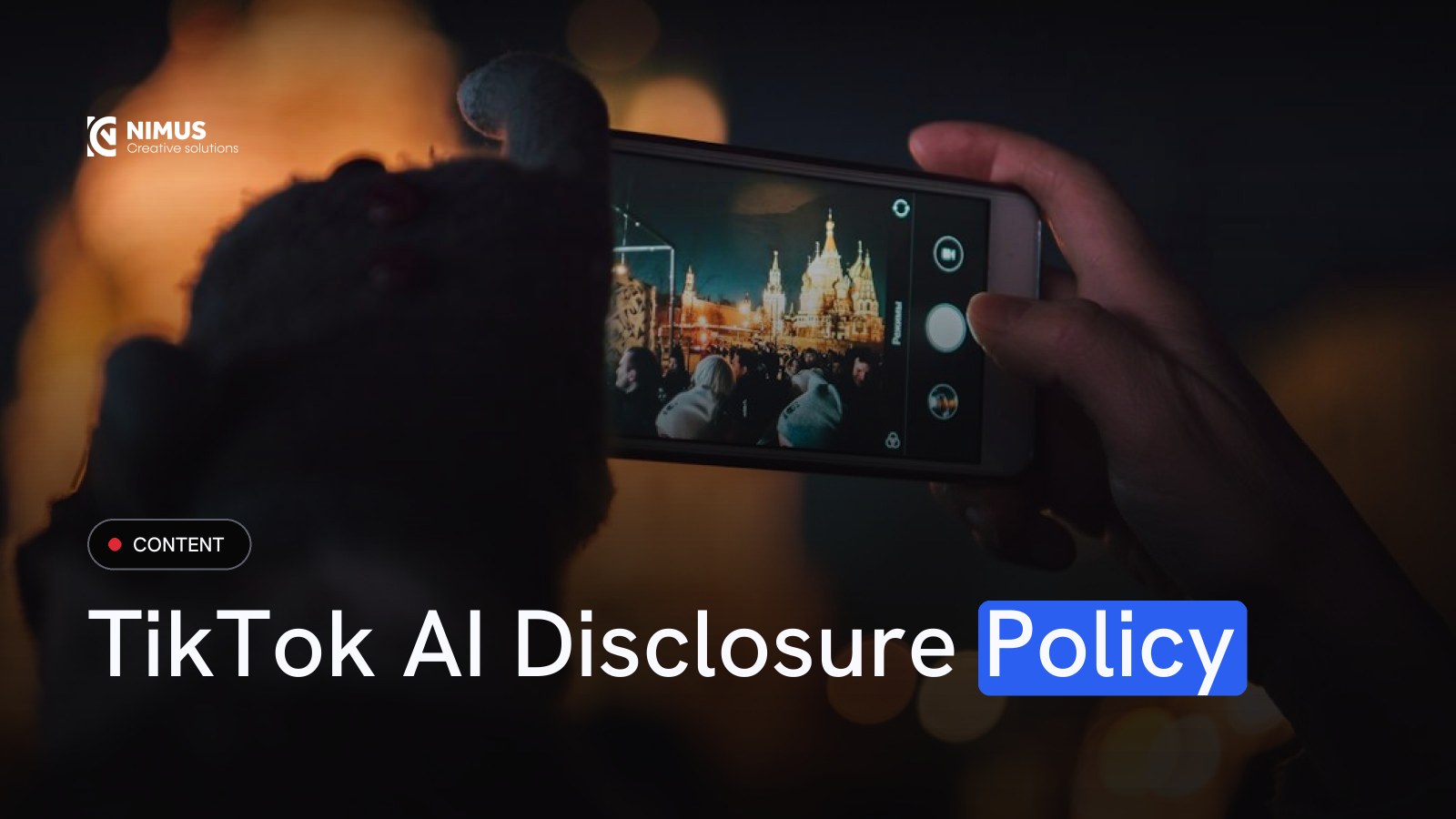
Representative image. Photo: Artem Maltsev / Unsplash
TikTok has labeled over 1 billion videos as AI-generated, highlighting how common synthetic media has become on the platform. To maintain transparency, the platform enforces clear rules regarding when and how creators and businesses must disclose artificial intelligence in their content.
Understanding these rules is essential for marketing teams and business owners producing organic posts or paid campaigns. Getting it wrong can lead to reduced reach, removed content, or rejected ads.
- TikTok requires an AI label for any content that uses artificial intelligence to depict realistic-looking people, scenes, or cloned voices.
- Basic edits like color correction, cropping, and everyday makeup filters do not require disclosure.
- Failing to disclose AI use can lead to automated labeling by TikTok, restricted reach, or complete removal of the post.
- Advertisers must manually enable the AI disclosure toggle in TikTok Ads Manager before submitting paid campaigns.
What Happened
TikTok outlined its comprehensive AI disclosure framework, categorizing content into specific rules for organic uploads, automated detection, and paid advertisements. According to Hootsuite's breakdown of the policy, the platform distinguishes between minor touch-ups and realistic synthetic media that could mislead viewers.
The policy applies to images, videos, and audio. Whenever artificial intelligence is used to generate or heavily modify realistic elements, creators and brands must inform the audience using built-in platform tools or clear disclosures.
What Is Confirmed (And What Is Not Yet Known)
It is confirmed that TikTok uses three distinct mechanisms for labeling: a creator toggle for manual organic labeling, automated detection via platform effects or Content Credentials metadata, and a mandatory ad disclosure setting in Ads Manager. It is also confirmed that unlabelled content can face reduced distribution or removal.
What remains unconfirmed is how TikTok's automated detection algorithms will evolve over time regarding edge-case edits, or how precisely cross-platform distribution will be monitored when creators repurpose files from other networks that lack standardized metadata.
Why It Matters for Social Media Content
For brands investing in video marketing, transparency directly impacts audience trust and campaign performance. When viewers feel misled by synthetic customer experiences or hidden AI visuals, brand reputation suffers quickly.
Proper disclosure protects your organic reach and ensures paid campaigns do not stall in review. Managing this correctly requires structured internal handoffs between copywriters, editors, and social media managers.
What It Means for Kenyan Businesses
Kenyan businesses scaling their digital presence on TikTok must align their production workflows with these compliance standards. Whether you manage your channels internally or work with a local agency, unlabeled synthetic media risks sudden visibility drops.
Local brands collaborating with influencers must also set clear content guidelines. If a creator publishes a sponsored video containing unlabeled AI elements, the associated brand risks facing public backlash and platform restrictions.
Our Analysis
As synthetic media tools become accessible to every marketing team, platforms are shifting the burden of honesty onto creators. The trade-off is clear: while AI speeds up content production, failing to check a toggle box can neutralize weeks of creative effort.
A common mistake teams make is assuming that minor tool usage exempts them from rules. Establishing a routine review step before publishing eliminates this risk entirely.
Practical Next Steps
- Audit your current content pipeline to identify which videos, images, or voiceovers utilize artificial intelligence tools.
- Update your creator briefs and internal handoff checklists to explicitly require AI flagging before any file reaches the publishing calendar.
- Train your social media team on the correct use of the creator toggle for organic uploads and the ad disclosure setting in TikTok Ads Manager.
- Incorporate a mandatory review step into your approval workflows to verify disclosure compliance before anything goes live.
Navigating platform updates while maintaining consistent engagement requires a structured approach. Nimus helps brands execute high-converting video scripts, Reels, and TikToks through our Social Media Content That Sells service, ensuring your campaigns remain compliant, creative, and results-driven.
Frequently Asked Questions
Do I need to label AI-generated captions or scripts?
No. TikTok's disclosure policy focuses on realistic-looking people, scenes, or cloned voices in images, videos, and audio. Text-based AI assistance like caption writing or generic text-to-speech does not require an AI label.
Can I remove an AI label once TikTok adds it automatically?
No. If TikTok detects AI generation through its effects or metadata and applies an auto label, you cannot remove it.
Sources
- TikTok AI disclosure policy: What to label (organic + ads), Hootsuite Blog, 3 Nov 2026
Written by the Nimus Newsroom with AI assistance from the sources above, and checked against them before publishing. Spotted an error? Tell us through the contact page and we will correct it.
Want This Built For Your Business?
This is exactly the kind of thing we build. Book a free call and I'll tell you where to start.
Free download for this topic: Brand Consistency Checklist